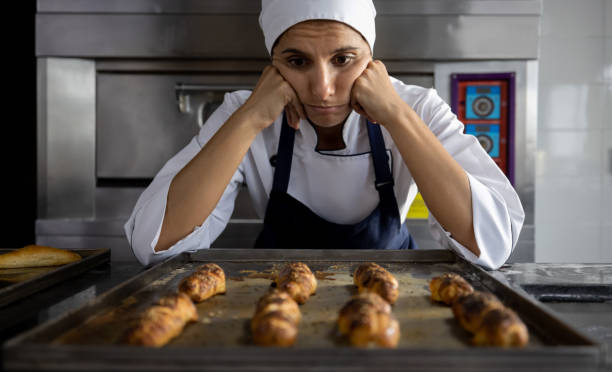
Baking is often described as a science, and for good reason. Small missteps can lead to dry cakes, dense bread, or uneven textures. The good news is that most baking mistakes are predictable—and fixable once you know what to look for.
Here are the most common baking mistakes and how to correct them for consistently better results.
1. Incorrect Measuring of Ingredients
Even slight inaccuracies can throw off a recipe.
What Goes Wrong
- Too much flour → dry, dense texture
- Too little liquid → crumbly results
How to Fix It
- Use measuring cups properly (spoon and level method)
- Invest in a kitchen scale for precision
2. Using Cold Ingredients
Cold butter, eggs, or milk don’t mix evenly.
What Goes Wrong
- Batter curdles or becomes lumpy
- Uneven texture in the final bake
How to Fix It
- Bring ingredients to room temperature before mixing
- Plan ahead and set them out early
3. Overmixing the Batter
Mixing too much develops excess gluten.
What Goes Wrong
- Tough, chewy cakes instead of soft ones
How to Fix It
- Mix until ingredients are just combined
- Use gentle folding when required
4. Not Preheating the Oven
Skipping preheating disrupts baking timing.
What Goes Wrong
- Cakes rise unevenly
- Texture becomes dense or flat
How to Fix It
- Always preheat your oven fully
- Wait until the correct temperature is reached
5. Opening the Oven Door Too Often
Curiosity can ruin your bake.
What Goes Wrong
- Sudden temperature drops cause cakes to sink
How to Fix It
- Avoid opening the oven during the first 70–80% of baking time
- Use the oven light to check progress
6. Using the Wrong Pan Type
Bakeware affects heat distribution.
What Goes Wrong
- Burnt edges or undercooked centers
How to Fix It
- Use the pan size and material specified in the recipe
- Light-colored pans are best for even baking
7. Ignoring Recipe Instructions
Skipping steps leads to inconsistent results.
What Goes Wrong
- Incorrect texture or flavor
- Baking failures that are hard to diagnose
How to Fix It
- Read the entire recipe before starting
- Follow each step in order
8. Overbaking or Underbaking
Timing errors are very common.
What Goes Wrong
- Overbaked goods become dry
- Underbaked items collapse or remain gooey
How to Fix It
- Use visual cues along with timers
- Check doneness with a toothpick or gentle press
9. Not Preparing the Pan Properly
Skipping this step leads to frustration later.
What Goes Wrong
- Cakes stick and break when removed
How to Fix It
- Grease and line pans with parchment paper
- Dust with flour if needed
10. Poor Ingredient Substitutions
Not all swaps are equal.
What Goes Wrong
- Texture, flavor, or structure changes drastically
How to Fix It
- Only substitute when you understand the ingredient’s role
- Follow tested substitution guidelines
Conclusion
Most baking mistakes aren’t random—they come from small oversights. Once you recognize these patterns, you can prevent them before they happen. Focus on accuracy, patience, and understanding basic techniques, and your baking results will improve noticeably.
FAQs
1. Why do my cakes sometimes crack on top?
Cracks usually occur when the oven temperature is too high or the batter is too thick.
2. Can humidity affect baking results?
Yes, high humidity can affect flour and sugar, altering texture and consistency.
3. Why do my cookies spread too much?
This often happens due to warm dough or too much butter in the recipe.
4. Is it necessary to rotate pans while baking?
In some ovens, yes. Rotating helps ensure even baking, especially if heat distribution is uneven.
5. How do I fix a cake that turned out too dry?
You can brush it with simple syrup or layer it with moist fillings to improve texture.
6. What causes uneven browning in baked goods?
Uneven oven heat or incorrect rack placement is usually responsible.
7. Can I fix a failed bake after it’s done?
Some issues can be improved (like dryness), but structural problems are harder to correct—prevention is key.