There is a persistent myth in Singapore’s fitness culture that eating well for exercise recovery requires expensive protein supplements, imported health foods, or a significant deviation from the local food culture that makes eating in Singapore one of life’s genuine pleasures. This myth deserves to be put to rest, because Singapore’s hawker food ecosystem is, when you know how to navigate it, one of the most complete and affordable post-workout nutrition environments in the world.
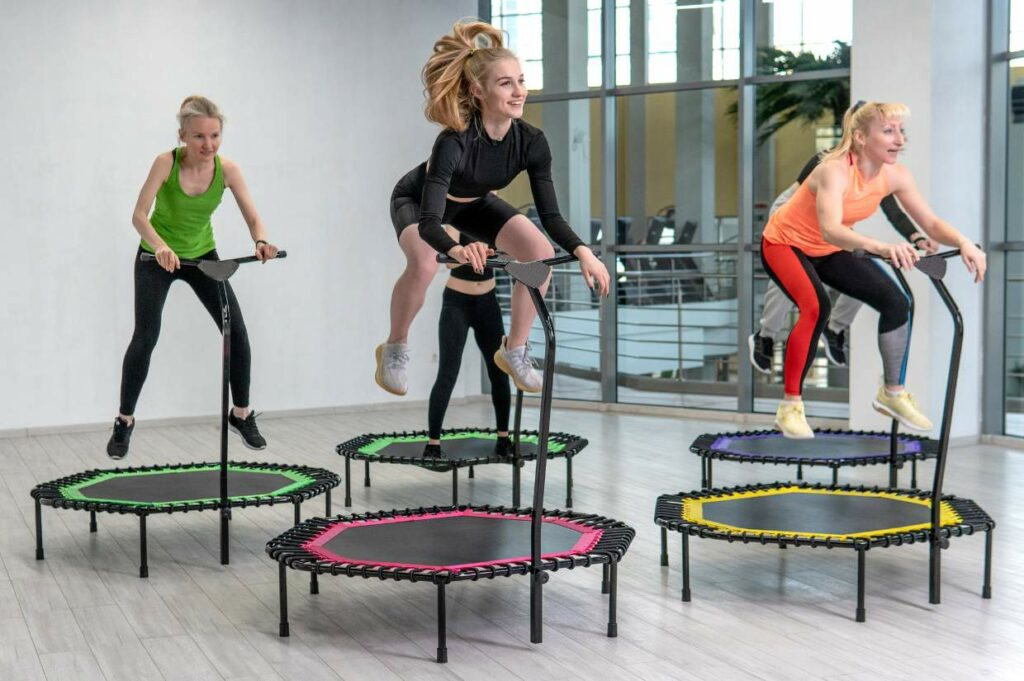
The specific demands of trampoline fitness recovery are worth understanding before diving into the food itself. A 45-minute trampoline fitness Singapore session, depending on the class format, places significant demands on the full-body musculature, the cardiovascular system, and the thermoregulatory systems that manage heat dissipation in Singapore’s humid indoor environment. Recovering from this effectively requires protein for muscle repair, carbohydrates for glycogen replenishment, and electrolytes to replace what leaves the body in sweat. The good news is that Singapore’s hawker centres deliver all three in abundance.
What a 45-Minute xBOUNCE Class Actually Burns and Depletes
Before selecting post-workout food intelligently, it helps to understand what the body has actually used and lost during an xBOUNCE session. The caloric expenditure of trampoline fitness varies by class intensity and individual body weight, but research on mini-trampoline exercise places the energy cost of a moderate-to-high intensity 45-minute session in the range of 250 to 400 kilocalories for most adults.
More specifically relevant to post-workout nutrition is the breakdown of what has been depleted. Muscle glycogen, the stored form of carbohydrate in the muscle tissue, is the primary fuel source during the higher-intensity intervals of xBOUNCE Ignite and the sustained cardio effort of xBOUNCE Dance Beats. Muscle protein breakdown occurs at a lower level during cardiovascular exercise than during resistance training, but it is measurable and requires dietary protein for repair and adaptation. And sweat losses during an indoor class in Singapore’s ambient conditions, even with air conditioning, are typically in the range of 0.5 to 1 litre per session, carrying significant amounts of sodium, potassium, and chloride with them.
This combination of depleted glycogen, minor muscle protein breakdown, and electrolyte loss defines what a post-xBOUNCE meal needs to address.
Why Singapore’s Hawker Culture Is an Underrated Fitness Food Resource
Singapore’s hawker centres represent one of the most diverse and accessible food systems of any urban environment in the world. Within a single food centre, a post-workout diner can access grilled meats, seafood, egg-based dishes, legume-rich preparations, complex carbohydrate sources, and clear broths with mineral-rich stocks, all prepared fresh, at prices that range from three to eight dollars a plate.
The challenge for fitness-focused diners has traditionally been the lack of macro-labelling and the variable use of oil, sugar, and salt in preparation. But with some knowledge of which dishes are inherently high in protein and how to request modifications that reduce unnecessary caloric additions, the hawker centre becomes a genuinely optimal post-workout nutrition environment, especially when the alternative is a commercial protein product that costs three to five times as much and delivers a less complete nutritional profile.
The Best High-Protein Hawker Dishes for Post-Bounce Recovery
Steamed Chicken Rice remains one of the most nutritionally complete single-dish options in the hawker repertoire. A standard plate of steamed chicken rice provides approximately 30 to 40 grams of protein depending on portion size, along with a moderate carbohydrate load from the rice and a naturally occurring collagen contribution from the chicken skin if included. The key modification for post-workout purposes is to request steamed chicken rather than roasted, which significantly reduces the added fat content, and to limit the chilli and ginger sauce quantities if sodium management is a priority.
Fish Soup Beehoon or Meehoon is an exceptional post-workout choice that is underappreciated by the fitness community relative to its nutritional quality. Fish, whether sliced batang, grouper, or fried fish pieces, provides a complete amino acid profile with particularly high levels of leucine, the amino acid most directly responsible for triggering muscle protein synthesis. The clear broth base contributes electrolytes and hydration simultaneously. Choosing the rice noodle base over wheat noodles provides a moderate glycaemic carbohydrate source appropriate for glycogen replenishment.
Ban Mian (Handmade Noodles with Egg and Minced Meat) delivers an excellent combination of protein sources in a single bowl. The egg, which in many preparations is added raw into the hot broth to cook partially, provides approximately six grams of high-quality protein per egg. The minced pork or minced chicken contributes additional protein, and the ikan bilis (dried anchovies) garnish adds a sodium and calcium boost. The wheat noodle base provides a sustained carbohydrate release profile that supports glycogen recovery over the one to two hours following class.
Economical Rice (Cai Png) at its best represents the most customisable post-workout meal option in the hawker centre ecosystem. Selecting a base of white or brown rice, one or two lean protein preparations such as steamed tofu, poached chicken, or braised fish, and one or two vegetable dishes creates a meal that can be precisely tailored to post-workout macros. The vegetable options provide potassium and micronutrients that support recovery and electrolyte balance. Requesting less sauce where possible reduces the sodium and sugar load from the preparation gravies.
Prawn Noodles (Hokkien Prawn Mee) offer an interesting post-workout profile centred on the prawn component, which is among the highest-protein, lowest-fat seafood options available at the hawker centre. The rich, prawn head-based broth is also naturally high in minerals including zinc, which supports immune function and tissue repair. The mixed noodle base of yellow noodles and thin rice noodles provides a blend of carbohydrate sources with slightly different digestion rates.
Electrolytes, Sweat, and the Dishes That Replenish Them Naturally
Electrolyte replenishment is often overlooked in post-workout nutrition discussions that focus exclusively on protein and carbohydrates. Singapore’s humid conditions mean that sweat losses during an xBOUNCE session are substantial, and the primary electrolytes lost in sweat, sodium, potassium, chloride, and magnesium, need to be replaced over the two to four hours following exercise to restore fluid balance and support muscle and nerve function.
Hawker dishes are generally not short on sodium. Most preparations involve soy sauce, fish sauce, or salt at various stages, and the broth-based dishes are particularly effective at sodium replenishment. The specific post-workout concern is potassium, which is less concentrated in typical hawker preparations but can be meaningfully supplemented by including vegetable-heavy side dishes in your cai png selection, particularly kangkong (water spinach) and bak choy, both of which are potassium-rich.
Coconut water, available from many hawker centres and neighbourhood provision shops, provides an exceptionally well-balanced post-workout electrolyte profile that complements any of the above dishes. Its natural sodium, potassium, and magnesium content makes it a genuine functional beverage for post-exercise rehydration rather than simply a pleasant drink.
Hawker Centres Near TFX Locations Worth Knowing
For participants heading from an xBOUNCE class to a hawker centre, proximity matters because the 30-minute post-workout window for protein and carbohydrate intake is widely cited in sports nutrition research as the period of highest nutrient uptake efficiency. The following hawker centres are conveniently located relative to TFX club areas:
- Maxwell Food Centre in Tanjong Pagar is a landmark hawker destination with exceptional chicken rice stalls and a strong variety of the protein-rich dishes discussed above, suitable for participants coming from nearby TFX locations
- Lau Pa Sat on Raffles Quay offers a central location with broad variety that suits post-class dining for those training in the CBD vicinity
- Old Airport Road Food Centre in the Kallang area is widely regarded as one of Singapore’s most complete hawker destinations and is accessible from multiple TFX locations via public transport within 15 to 20 minutes
What to Avoid at the Hawker Centre After an Intense Workout
Post-workout nutrition choices at the hawker centre can also undermine recovery if selected poorly. Some specific items worth limiting or avoiding in the immediate post-workout period:
- High-fat preparations such as nasi lemak with coconut-heavy rendang or deep-fried items slow gastric emptying and delay the delivery of amino acids and glucose to muscle tissue when the uptake window is most open
- Sugar-heavy drinks such as sugarcane juice, teh tarik with condensed milk, and sweetened chrysanthemum tea contribute a rapid glucose spike without the sustained energy profile of the complex carbohydrates in solid food, and in large quantities can contribute to post-meal energy crashes
- Heavily processed meat options such as luncheon meat-based preparations are high in sodium and saturated fat relative to their protein content, making them a poor choice for post-workout protein sourcing compared to the lean protein options discussed above
For those looking to build a consistent nutrition strategy around their xBOUNCE training schedule, TFX Singapore instructors can often point participants toward general nutritional guidance resources, and the broader True Group community includes members who share practical local nutrition approaches through the class community.
FAQ
Is ban mian a good post-workout meal after an xBOUNCE class?
Yes, ban mian is one of the better all-round post-workout choices at Singapore hawker centres. The combination of egg protein, minced meat protein, and the wheat noodle carbohydrate base covers two of the three key post-workout nutritional priorities. Adding the ikan bilis garnish rather than omitting it adds a useful mineral and sodium contribution. For additional protein, requesting an extra egg is a simple and inexpensive upgrade.
How long should I wait to eat after a trampoline fitness class?
The ideal window for post-workout protein and carbohydrate intake is within 30 to 45 minutes of completing the session, when muscle GLUT4 expression is elevated and protein synthesis signalling is most active. Waiting longer than 60 to 90 minutes does not eliminate the post-workout nutritional opportunity but meaningfully reduces the efficiency of nutrient uptake. If heading straight to a hawker centre after class, the timing works well for most TFX location-to-hawker-centre combinations.
Are there good vegetarian or vegan hawker options for workout recovery in Singapore?
Yes. Vegetarian economic rice stalls, found in most large hawker centres, offer tofu-based preparations including tau kwa (firm tofu), tau pok (fried tofu puffs), and tempeh, all of which are adequate protein sources when combined in appropriate quantities. Indian hawker stalls offering dhal, paneer-based preparations, and chickpea dishes provide strong legume protein options. The key consideration for vegetarian post-workout eating is combining multiple protein sources within the meal to ensure a complete amino acid profile, as most plant proteins are individually incomplete.
Should I drink a protein shake instead of eating a hawker meal after xBOUNCE?
For most people who are able to reach a hawker centre within 45 minutes of finishing class, a whole-food hawker meal provides a more complete nutritional response than a protein shake alone. Whole-food protein sources deliver amino acids alongside micronutrients, fibre, and electrolytes that isolated protein supplements do not provide. Protein shakes are most valuable in situations where accessing solid food within the post-workout window is genuinely impractical, such as when travelling between locations after class.
Does the type of noodle base at the hawker centre matter for recovery?
It matters in a modest but real way. Rice-based noodles like bee hoon and kway teow have a higher glycaemic index than wheat-based options like ban mian, which means they deliver glucose to the bloodstream more rapidly after digestion. For post-workout glycogen replenishment, this faster delivery profile is generally appropriate. For people managing blood sugar, the slower carbohydrate release of wheat noodles or brown rice provides better metabolic control without significantly compromising recovery.