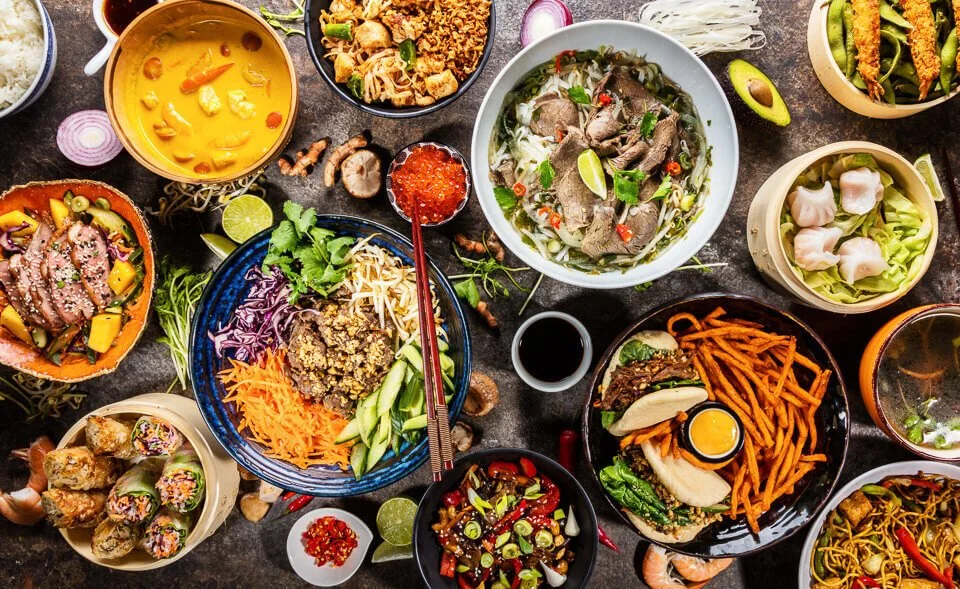
Comfort food is more than just nourishment—it’s emotional. It connects people to memories, traditions, and a sense of belonging. Across cultures, comfort foods often reflect local ingredients, cooking methods, and heritage, yet they all share one thing in common: they make you feel at home.
Below is a curated list of some of the best comfort foods from around the world, each offering warmth, flavor, and a story worth savoring.
What Makes a Food “Comforting”?
Comfort foods typically share a few defining traits:
- Familiar flavors tied to childhood or tradition
- Rich, hearty textures that satisfy hunger deeply
- Warmth, both literal and emotional
- Simple preparation, often homemade
These dishes are not just meals—they’re experiences that bring a sense of ease and happiness.
Iconic Comfort Foods Across the Globe
1. Italy – Pasta al Forno
A baked pasta dish layered with cheese, tomato sauce, and sometimes meat or vegetables.
- Creamy, cheesy, and deeply satisfying
- Often enjoyed during family gatherings
- Variations include lasagna and baked ziti
Why it comforts: The combination of melted cheese and rich sauce creates a sense of indulgence and warmth.
2. Japan – Ramen
A steaming bowl of noodles in flavorful broth, topped with meat, eggs, and vegetables.
- Broths range from light soy to rich tonkotsu
- Highly customizable
- Served hot, perfect for cold days
Why it comforts: The umami-rich broth and warmth provide instant relief and satisfaction.
3. India – Khichdi
A simple dish made with rice and lentils, often seasoned lightly.
- Easy to digest and nourishing
- Commonly eaten when feeling unwell
- Variations include vegetables and ghee
Why it comforts: It’s gentle, wholesome, and deeply associated with home-cooked care.
4. United States – Mac and Cheese
A creamy dish of pasta coated in melted cheese sauce.
- Rich and indulgent
- Popular among both kids and adults
- Often baked with a crispy topping
Why it comforts: Its creamy texture and cheesy flavor evoke nostalgia and indulgence.
5. France – Onion Soup
A slow-cooked soup made with caramelized onions, broth, and topped with bread and melted cheese.
- Deep, rich flavor
- Served hot with gooey cheese topping
- Often enjoyed in colder months
Why it comforts: The slow-cooked sweetness and warmth create a soothing experience.
6. Mexico – Tamales
Corn dough filled with meats or vegetables, wrapped in husks and steamed.
- Traditional festive food
- Portable and filling
- Comes in sweet and savory varieties
Why it comforts: The soft texture and flavorful fillings make it both hearty and nostalgic.
7. China – Congee
A rice porridge often served plain or with toppings like meat, eggs, or pickles.
- Mild and easy to eat
- Common breakfast or recovery food
- Highly customizable
Why it comforts: Its simplicity and warmth make it ideal for both body and mind.
8. United Kingdom – Shepherd’s Pie
A baked dish made with minced meat topped with mashed potatoes.
- Savory and filling
- Often includes vegetables
- Crispy top layer with soft interior
Why it comforts: The layered textures and hearty ingredients create a complete, satisfying meal.
Why Comfort Foods Matter Across Cultures
Comfort foods play a vital role beyond just taste:
- Emotional well-being: They reduce stress and evoke positive memories
- Cultural identity: They preserve traditions and heritage
- Social connection: Often shared with family and loved ones
Despite cultural differences, the emotional purpose of comfort food remains universal.
How Comfort Foods Are Evolving
Modern interpretations are reshaping traditional comfort dishes:
- Healthier versions using whole grains and less fat
- Vegan and plant-based alternatives
- Fusion dishes blending multiple cuisines
Even as they evolve, the essence of comfort food—warmth and familiarity—remains unchanged.
FAQ: Best Comfort Foods from Around the World
1. What defines a comfort food?
Comfort food is typically a dish that provides emotional satisfaction, often linked to personal memories or cultural traditions.
2. Are comfort foods always unhealthy?
Not necessarily. While many are rich and indulgent, there are also nutritious comfort foods like soups, stews, and grain-based dishes.
3. Why do people crave comfort food during stress?
Comfort foods can trigger the release of feel-good chemicals in the brain, helping reduce stress and improve mood.
4. Can comfort food vary from person to person?
Yes, comfort food is highly personal and often depends on individual experiences and cultural background.
5. What is the most popular comfort food globally?
There isn’t a single answer, but dishes like pasta, rice-based meals, and soups are widely considered comfort foods across cultures.
6. Are comfort foods always warm dishes?
Most are warm, but some cold foods like desserts or salads can also be comforting depending on personal preference.
7. How can I make comfort food healthier?
You can use fresh ingredients, reduce processed elements, control portions, and opt for baking instead of frying.