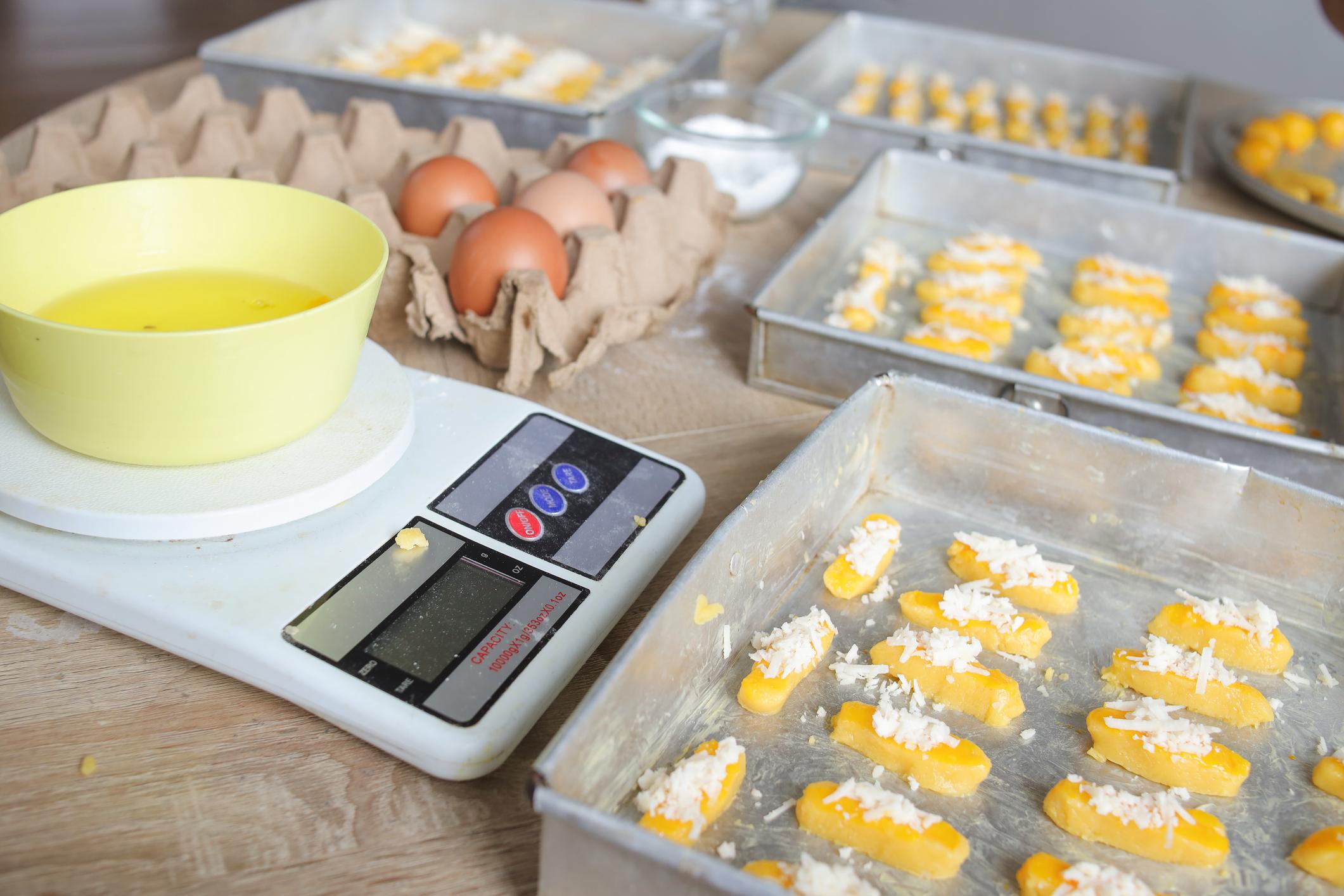
Baking like a professional doesn’t require a culinary degree—it requires attention to detail, consistency, and understanding the basics. Many beginners struggle not because baking is difficult, but because they overlook small techniques that professionals follow every time.
This guide breaks down the essentials so you can start baking with confidence and precision.
Build a Strong Foundation with Basic Ingredients
Professional bakers don’t rely on guesswork. They understand what each ingredient contributes to the final result.
Core Ingredients You Must Know
- Flour: Forms the structure; different types yield different textures
- Sugar: Sweetens and helps with browning and moisture
- Eggs: Provide stability, richness, and emulsification
- Butter/Oil: Adds softness and enhances flavor
- Leavening Agents: Help baked goods rise and become airy
- Liquids: Bring everything together into a workable batter or dough
Key insight: High-quality ingredients make a noticeable difference, especially in simple recipes.
Master Accurate Measuring Techniques
Precision separates amateur baking from professional results.
Best Practices
- Use measuring cups and spoons for dry ingredients
- Use a kitchen scale for the most accurate results
- Level off dry ingredients instead of packing them
Even a small measurement error can change texture, rise, or flavor.
Learn Essential Baking Techniques
Techniques are where most beginners go wrong. Understanding them builds confidence.
Important Methods to Practice
- Creaming: Beating butter and sugar to incorporate air
- Folding: Gently mixing without deflating the batter
- Kneading: Developing gluten for bread and dough
Avoid shortcuts. Each technique serves a purpose in the final outcome.
Understand Your Oven
Your oven is one of your most important tools, yet often misunderstood.
How to Use It Properly
- Always preheat before baking
- Bake on the center rack for even heat
- Avoid opening the door frequently
Pro tip: Use an oven thermometer to verify the actual temperature.
Invest in the Right Tools
You don’t need a professional kitchen, but a few tools can make a big difference.
Must-Have Baking Tools
- Mixing bowls
- Whisk and spatula
- Measuring cups and spoons
- Baking pans (various sizes)
- Cooling rack
Optional but helpful:
- Electric mixer
- Kitchen scale
- Offset spatula for frosting
Quality tools improve consistency and efficiency.
Follow Recipes—Then Learn to Adapt
Beginners should follow recipes exactly before experimenting.
Why This Matters
- Helps you understand ingredient ratios
- Builds confidence in timing and technique
- Prevents common mistakes
Once comfortable, you can adjust flavors, sweetness, or textures.
Focus on Timing and Patience
Baking rewards patience. Rushing leads to mistakes.
What to Watch For
- Don’t remove baked goods too early
- Let items cool completely before decorating
- Allow dough to rest when required
Consistency tip: Use timers, but also rely on visual cues.
Practice Consistency and Clean Work Habits
Professional bakers maintain discipline in their workspace.
Simple Habits to Adopt
- Prepare ingredients before starting (mise en place)
- Clean as you go
- Read the entire recipe before beginning
A well-organized process reduces errors and stress.
Conclusion
Becoming a skilled baker doesn’t happen overnight, but it doesn’t require perfection either. Focus on mastering the basics, stay consistent, and pay attention to small details. Over time, your results will improve naturally—and you’ll start baking with the confidence and precision of a professional.
FAQs
1. How long does it take to become good at baking?
With regular practice, most beginners see improvement within a few weeks. Mastery takes longer but builds steadily over time.
2. Can I bake without an electric mixer?
Yes, many recipes can be made by hand using a whisk or spatula, though it may require more effort.
3. Why do my baked goods turn out uneven?
This is often due to uneven oven temperature, improper mixing, or incorrect pan placement.
4. Is it okay to substitute ingredients in recipes?
Only when you understand their role. Random substitutions can affect structure, taste, and texture.
5. How do I know if I overmixed my batter?
The batter may become thick and elastic, and the final product may turn dense or tough.
6. What is the best way to store baked goods?
Store them in airtight containers at room temperature or refrigerate depending on the recipe.
7. Why is my cake dry even when I followed the recipe?
Overbaking or incorrect measurements are the most common causes of dryness.