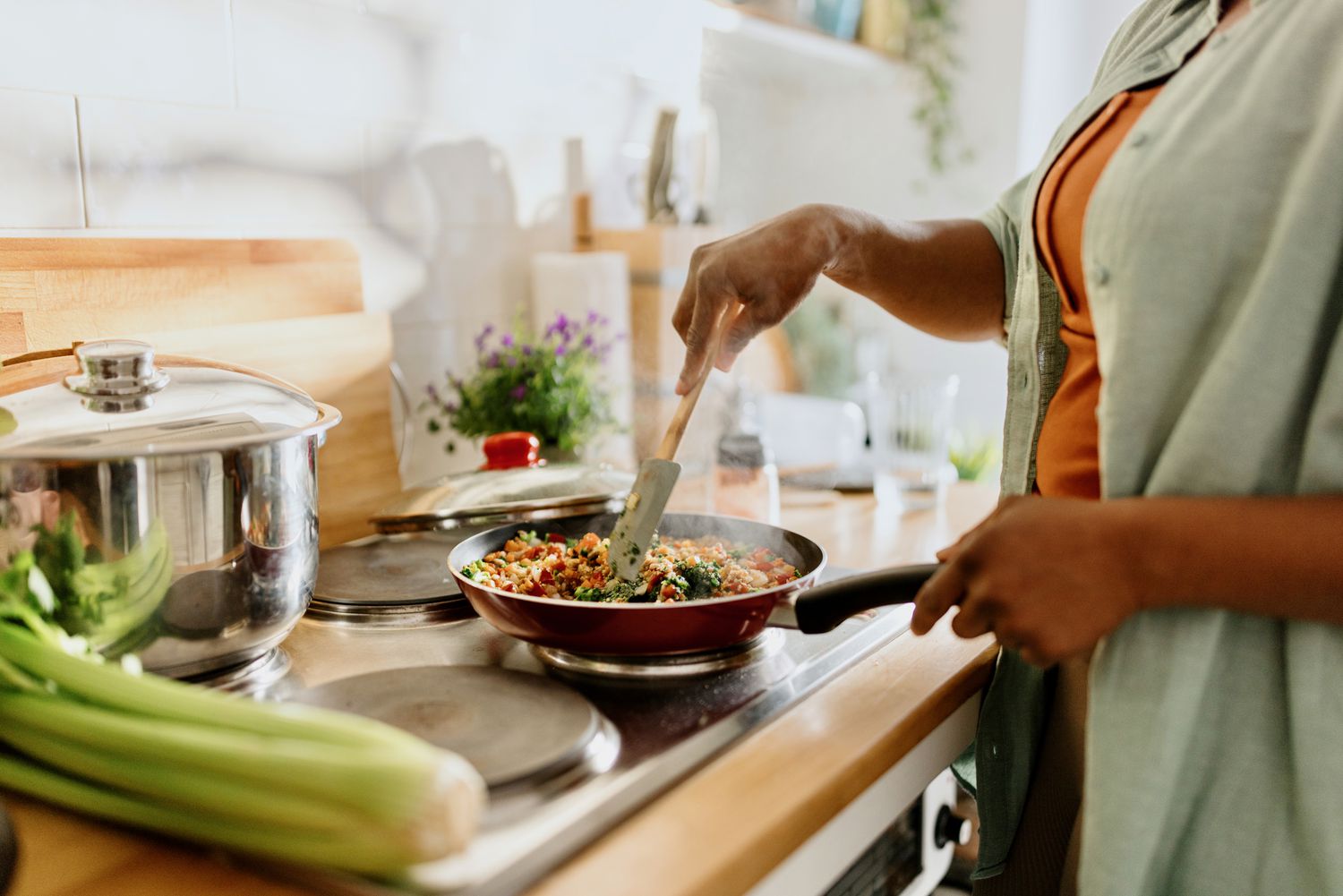
Cooking great meals isn’t about complicated recipes—it’s about mastering small techniques that make a big difference. Whether you’re cooking daily or occasionally, a few smart adjustments can elevate your food from ordinary to impressive.
Here are ten practical cooking tips that can instantly improve your results.
1. Season Properly and Taste Often
Seasoning is the foundation of good cooking.
What to Do
- Add salt gradually, not all at once
- Taste your food at different stages
- Balance flavors with acid (lemon, vinegar)
Tip: Proper seasoning enhances natural flavors instead of overpowering them.
2. Use Fresh Ingredients Whenever Possible
Fresh ingredients bring better flavor and texture.
Why It Matters
- Fresh herbs are more aromatic
- Fresh vegetables retain crunch and color
- Quality ingredients reduce the need for heavy seasoning
Simple rule: Better ingredients = better results.
3. Preheat Your Pan
Adding food to a cold pan leads to uneven cooking.
Benefits of Preheating
- Creates a good sear on meats
- Prevents sticking
- Improves texture
Wait until the pan is hot before adding oil or ingredients.
4. Don’t Overcrowd the Pan
Too much food in one pan lowers the temperature.
What Happens
- Food steams instead of sears
- Texture becomes soggy instead of crisp
Fix
- Cook in batches when needed
- Leave space between ingredients
5. Master Basic Knife Skills
Efficient cutting improves both cooking and presentation.
Key Benefits
- Even-sized pieces cook uniformly
- Faster prep time
- Safer handling
Focus on consistency, not speed.
6. Let Meat Rest After Cooking
Cutting meat immediately causes juices to escape.
Why Resting Matters
- Juices redistribute throughout the meat
- Results in a more tender and flavorful bite
Let meat rest for at least 5–10 minutes before serving.
7. Control Heat Levels
Cooking is about managing temperature, not just time.
Key Points
- High heat for searing
- Medium heat for general cooking
- Low heat for simmering and sauces
Adjust heat as needed instead of keeping it constant.
8. Use the Right Cooking Oil
Different oils behave differently under heat.
Quick Guide
- High heat: use oils like sunflower or canola
- Low to medium heat: use butter or olive oil
Using the wrong oil can affect both flavor and safety.
9. Build Layers of Flavor
Great dishes are built step by step.
How to Do It
- Sauté aromatics (onion, garlic) first
- Add spices early to release flavor
- Finish with herbs or acid for brightness
Layering creates depth and complexity in your meals.
10. Keep Your Kitchen Organized
An organized workspace leads to better cooking.
Practical Tips
- Prep ingredients before you start (mise en place)
- Clean as you go
- Keep tools within reach
Less clutter means more focus on cooking.
Conclusion
Transforming your meals doesn’t require advanced skills—just better habits. By focusing on seasoning, heat control, ingredient quality, and organization, you can consistently cook dishes that taste balanced, flavorful, and well-executed.
Small improvements in technique lead to big improvements on the plate.
FAQs
1. How can I improve my cooking quickly as a beginner?
Focus on mastering basic techniques like seasoning, heat control, and proper preparation.
2. Why does my food sometimes taste bland even with spices?
It may lack salt or acid, both of which are essential for enhancing flavor.
3. Is it better to cook on high heat or low heat?
It depends on the dish. High heat is good for searing, while low heat is better for slow cooking.
4. How do I know if my pan is hot enough?
You can test by adding a drop of water—it should sizzle and evaporate quickly.
5. Can I reuse cooking oil?
Yes, but only if it’s clean and hasn’t been overheated. Strain and store it properly.
6. What’s the easiest way to make food more flavorful?
Use fresh ingredients, proper seasoning, and add a touch of acid at the end.
7. How do I avoid overcooking vegetables?
Cook them briefly and monitor texture—they should remain slightly firm, not mushy.