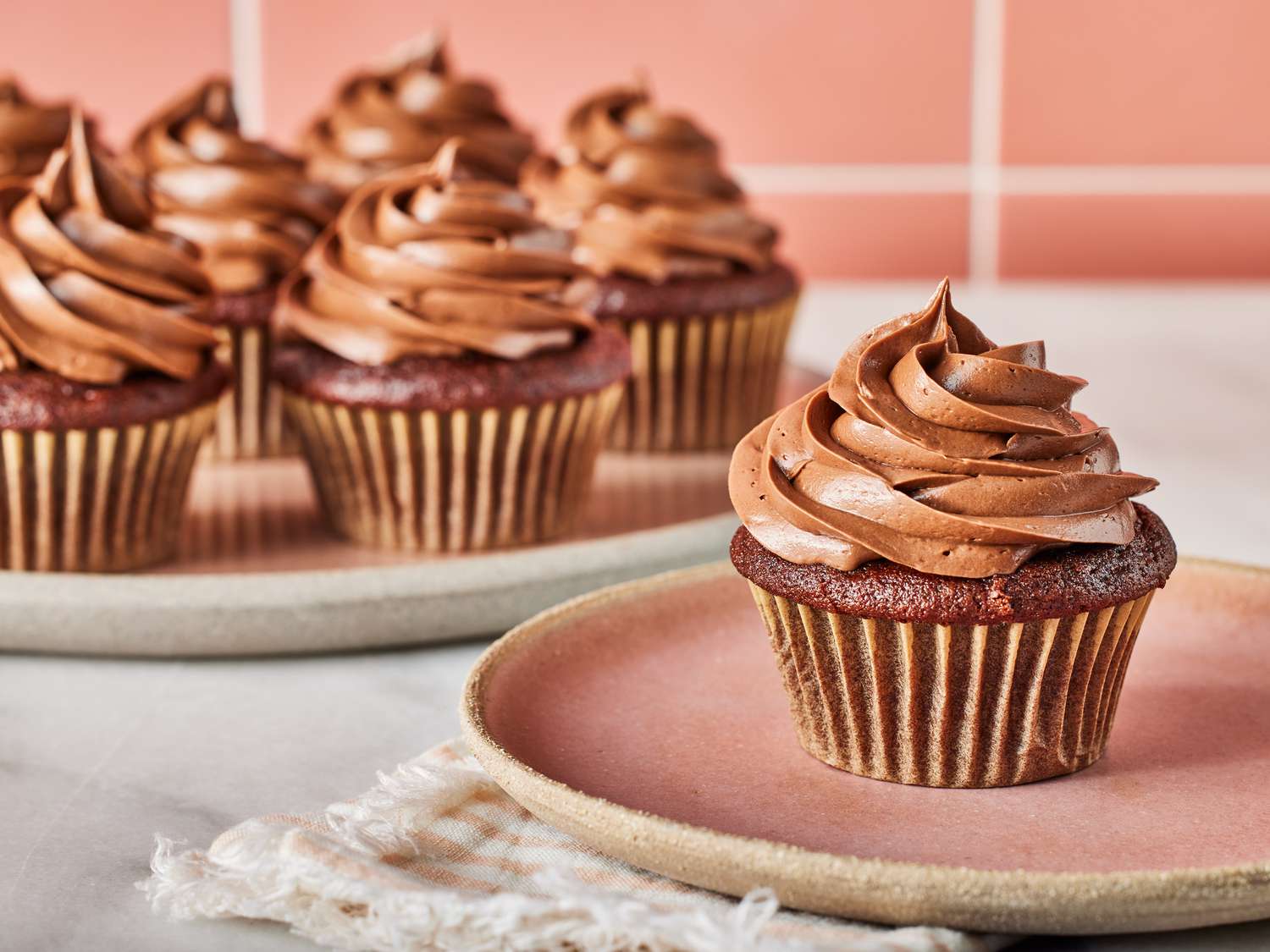
Baking at home can feel intimidating at first, but it doesn’t have to be complicated. With a few basic ingredients and simple techniques, anyone can create delicious baked goods. Starting with beginner-friendly recipes helps build confidence while teaching essential skills like mixing, measuring, and timing.
This guide introduces easy baking recipes that are reliable, require minimal equipment, and deliver satisfying results.
Essential Baking Basics for Beginners
Before diving into recipes, it helps to understand a few fundamentals:
- Measure accurately: Use proper measuring cups and spoons
- Follow instructions closely: Baking is precise compared to cooking
- Preheat the oven: Always start with the correct temperature
- Use fresh ingredients: Especially baking powder and yeast
Having these basics in place ensures better outcomes every time.
1. Classic Sugar Cookies
A great starting point, sugar cookies require simple ingredients and straightforward steps.
Ingredients:
- 2 cups all-purpose flour
- 1/2 cup butter (softened)
- 3/4 cup sugar
- 1 egg
- 1 tsp vanilla extract
- 1/2 tsp baking powder
Steps:
- Preheat oven to 180°C (350°F)
- Cream butter and sugar until smooth
- Add egg and vanilla, mix well
- Gradually add flour and baking powder
- Roll dough, cut shapes, and place on tray
- Bake for 8–10 minutes
Beginner tip: Avoid overbaking—cookies should be lightly golden, not brown.
2. Banana Bread
Perfect for using overripe bananas, this recipe is forgiving and flavorful.
Ingredients:
- 2–3 ripe bananas (mashed)
- 1/2 cup sugar
- 1/3 cup melted butter
- 1 egg
- 1 tsp baking soda
- 1 1/2 cups flour
Steps:
- Mix mashed bananas with melted butter
- Stir in sugar, egg, and baking soda
- Add flour and mix gently
- Pour into greased loaf pan
- Bake at 180°C for 50–60 minutes
Beginner tip: Don’t overmix; a slightly lumpy batter gives better texture.
3. Basic Muffins
Muffins are quick to make and easy to customize with fruits or chocolate chips.
Ingredients:
- 1 1/2 cups flour
- 1/2 cup sugar
- 1/2 cup milk
- 1/3 cup oil or melted butter
- 1 egg
- 1 tsp baking powder
Steps:
- Combine dry ingredients in one bowl
- Mix wet ingredients in another
- Combine both gently
- Pour into muffin cups
- Bake at 180°C for 20–25 minutes
Beginner tip: Fill muffin cups only 2/3 full to prevent overflow.
4. Easy Chocolate Cake
A simple one-bowl cake that’s rich and moist.
Ingredients:
- 1 1/2 cups flour
- 1 cup sugar
- 1/4 cup cocoa powder
- 1 tsp baking soda
- 1 cup milk
- 1/2 cup oil
- 1 egg
Steps:
- Mix all dry ingredients
- Add wet ingredients and stir until smooth
- Pour into greased pan
- Bake at 180°C for 30–35 minutes
Beginner tip: Check doneness by inserting a toothpick—it should come out clean.
5. No-Yeast Bread
A quick bread recipe that skips the complexity of yeast.
Ingredients:
- 2 cups flour
- 1 tbsp baking powder
- 1 tsp salt
- 1 cup milk
Steps:
- Mix all ingredients into a dough
- Shape into a loaf
- Place on baking tray
- Bake at 200°C for 30 minutes
Beginner tip: This bread is best eaten fresh as it doesn’t store long.
Common Mistakes to Avoid
Even simple recipes can go wrong without attention to detail. Watch out for:
- Skipping measurements or estimating quantities
- Opening the oven too often, which affects temperature
- Overmixing batter, leading to dense textures
- Ignoring baking times, causing under or overcooking
Learning from these mistakes improves your baking quickly.
Tools Every Beginner Needs
You don’t need a full kitchen setup to start baking. Just a few essentials:
- Mixing bowls
- Measuring cups and spoons
- Whisk or spatula
- Baking tray or cake pan
- Oven
With these tools, you can handle most beginner recipes comfortably.
Why Start with Simple Recipes?
Simple recipes help you:
- Build confidence without frustration
- Understand how ingredients work together
- Develop consistency in results
- Enjoy the process rather than feel overwhelmed
Once you master these basics, you can gradually try more advanced techniques.
FAQ: Simple Baking Recipes for Beginners
1. What is the easiest thing to bake for a beginner?
Cookies and muffins are usually the easiest because they require simple steps and minimal precision.
2. Can I bake without an oven?
Yes, some recipes can be adapted using stovetops, pressure cookers, or air fryers.
3. Why did my cake turn out dense?
This often happens due to overmixing or using too much flour.
4. How do I know when baked goods are done?
Use a toothpick test—if it comes out clean, the item is ready.
5. Can I substitute ingredients in baking?
Some substitutions work, but beginners should follow recipes closely before experimenting.
6. How important is oven temperature?
Very important. Incorrect temperature can affect texture, rise, and cooking time.
7. How can I improve my baking skills quickly?
Practice regularly, follow recipes carefully, and learn from mistakes after each attempt.