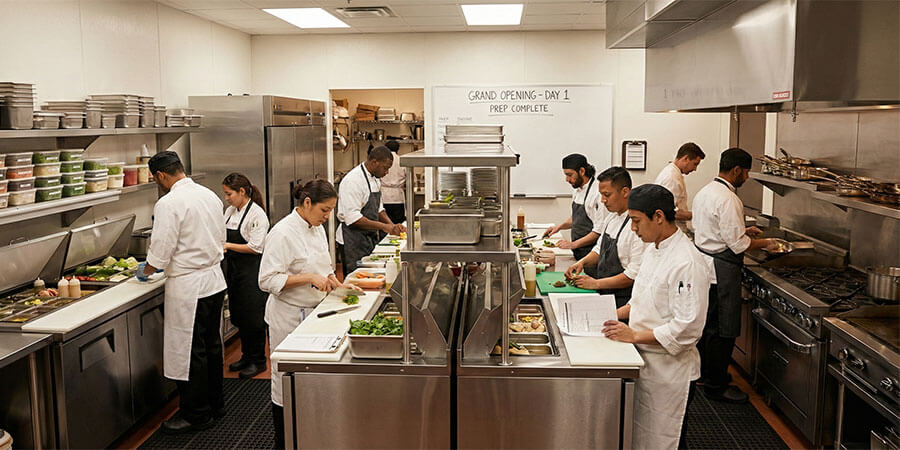
Starting a restaurant can be rewarding, but success depends on more than just good food. It requires planning, financial awareness, and consistent execution. Many restaurants fail not because of poor cooking, but due to weak management and unclear strategy.
This guide breaks down the essential steps to help you build a strong and sustainable restaurant business.
Define Your Concept Clearly
Your restaurant concept shapes everything—from menu to design to target customers.
Key Elements to Decide
- Cuisine type (casual dining, fine dining, fast food, etc.)
- Target audience (families, professionals, students)
- Unique selling point (USP)
A clear concept helps you stand out in a competitive market.
Conduct Market Research
Understanding your local market is critical before investing.
What to Analyze
- Competitors and their pricing
- Customer preferences and trends
- Location demand and foot traffic
Insight: Choose a location where your concept fits naturally.
Create a Detailed Business Plan
A solid business plan keeps your vision structured and realistic.
What to Include
- Startup costs and funding sources
- Revenue projections
- Menu and pricing strategy
- Marketing approach
This plan will guide your decisions and attract potential investors.
Choose the Right Location
Location directly impacts visibility and sales.
Factors to Consider
- Accessibility and parking
- Nearby competition
- Target customer presence
A great location can reduce marketing effort significantly.
Design an Efficient Menu
Your menu should balance variety, cost, and simplicity.
Smart Menu Tips
- Focus on quality over quantity
- Use ingredients that overlap across dishes
- Price items based on cost and market demand
A well-designed menu improves both efficiency and profitability.
Manage Costs Carefully
Financial discipline is essential from day one.
Major Costs to Monitor
- Food and ingredient expenses
- Staff salaries
- Rent and utilities
Tip: Keep food cost percentages within a sustainable range to maintain profit.
Build a Strong Team
Your staff plays a huge role in customer experience.
Key Roles
- Chefs and kitchen staff
- Servers and front-of-house team
- Management and supervisors
Train your team to maintain consistency in service and quality.
Focus on Customer Experience
A successful restaurant offers more than just food.
What Matters Most
- Cleanliness and hygiene
- Friendly and efficient service
- Comfortable ambiance
Satisfied customers are more likely to return and recommend your restaurant.
Invest in Marketing and Branding
Visibility is crucial, especially in the early stages.
Effective Strategies
- Social media promotion
- Local advertising and partnerships
- Online listings and reviews
Consistency in branding builds recognition and trust.
Maintain Quality and Consistency
Consistency is what turns first-time visitors into regular customers.
How to Ensure It
- Standardize recipes and processes
- Monitor food quality regularly
- Train staff to follow clear guidelines
Reliability builds a strong reputation over time.
Adapt and Improve Continuously
The restaurant industry is dynamic and competitive.
Stay Updated By
- Tracking customer feedback
- Monitoring sales trends
- Updating menu and pricing when needed
Flexibility helps your business stay relevant.
Conclusion
Starting a successful restaurant business requires more than passion—it demands planning, discipline, and attention to detail. By focusing on a clear concept, managing costs, delivering consistent quality, and adapting to market needs, you can build a restaurant that not only survives but thrives.
FAQs
1. How much capital is needed to start a restaurant?
The investment varies widely depending on location, size, and concept, but it’s important to plan for both setup and operating costs.
2. Is experience necessary to open a restaurant?
While helpful, it’s not mandatory. However, understanding basic operations and management is highly recommended.
3. How long does it take for a restaurant to become profitable?
It can take several months to a few years, depending on costs, location, and customer response.
4. What is the biggest challenge in running a restaurant?
Managing costs and maintaining consistent quality are among the biggest challenges.
5. How can I attract more customers to my restaurant?
Focus on good food, strong branding, customer service, and effective marketing strategies.
6. Should I start small or go big?
Starting small reduces risk and allows you to refine your operations before expanding.
7. How important is online presence for restaurants?
Very important. Many customers discover and evaluate restaurants through online platforms and reviews.