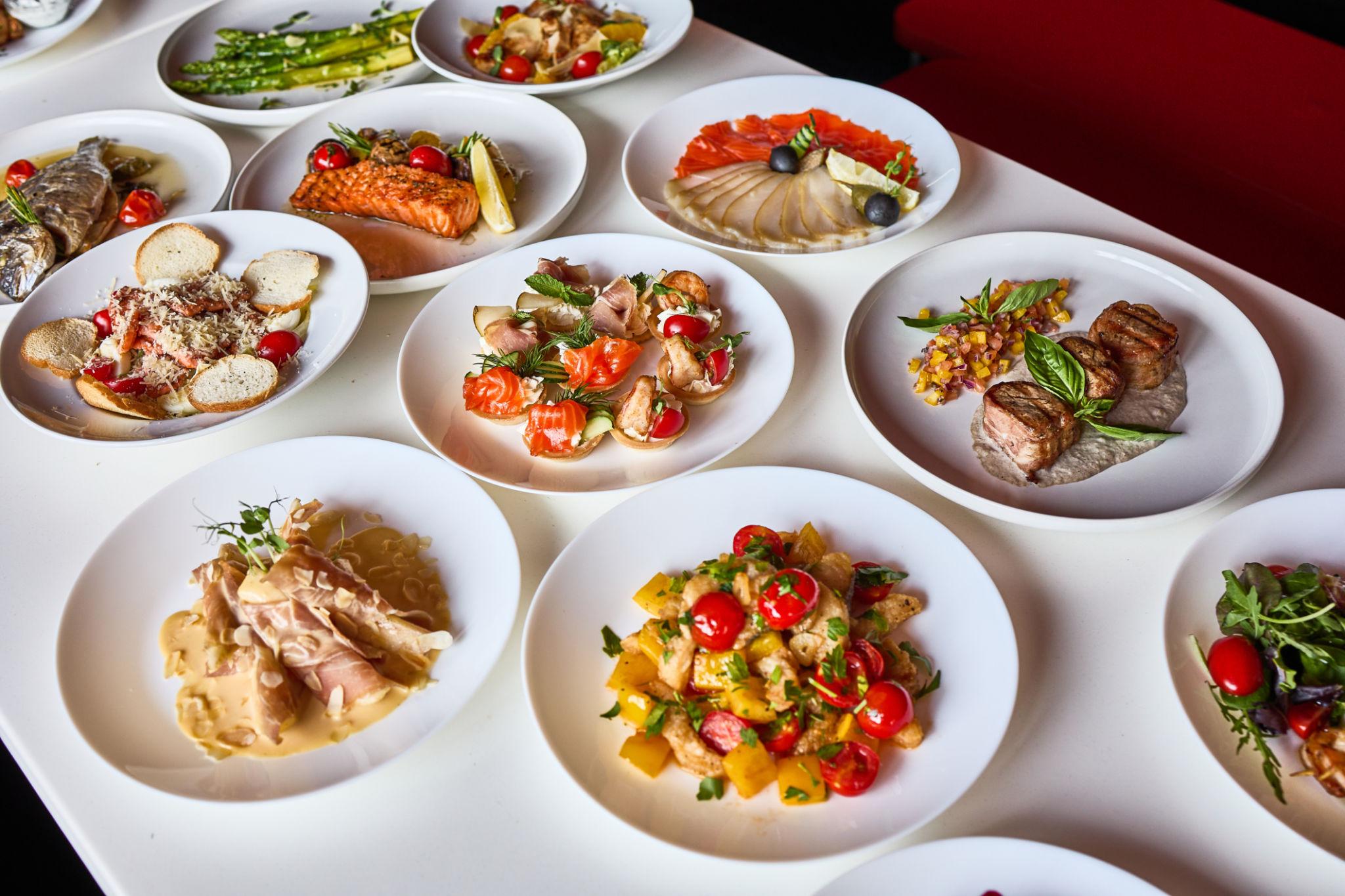
A restaurant menu is more than a list of dishes—it’s a powerful sales tool. The way your menu is structured, written, and presented can influence what customers order and how much they spend. Smart menu design combines psychology, layout, and pricing strategy to guide decisions without pressure.
Here’s how to design a menu that not only looks good but also increases sales.
Understand Menu Psychology
Customers don’t read menus line by line—they scan them.
Key Insights
- Eyes naturally move to specific areas (top-right, center)
- Customers prefer clear and simple choices
- Too many options can lead to decision fatigue
Design your menu to guide attention toward your most profitable items.
Highlight High-Profit Dishes
Not all dishes contribute equally to your revenue.
How to Feature Them
- Use boxes, icons, or subtle highlights
- Place them in high-visibility areas
- Add short, appealing descriptions
This technique helps increase sales without being overly promotional.
Keep the Menu Simple
A cluttered menu overwhelms customers and slows decisions.
Best Practices
- Limit the number of items per category
- Focus on your strongest dishes
- Avoid unnecessary repetition
Less is often more when it comes to menu design.
Use Strategic Pricing Techniques
Pricing presentation can influence perception and spending.
Effective Strategies
- Avoid currency symbols to reduce price sensitivity
- Use rounded numbers instead of overly complex pricing
- Place high-priced items strategically to make others seem more affordable
Subtle pricing changes can significantly impact ordering behavior.
Write Descriptions That Sell
Words matter as much as visuals.
What Works
- Use clear, descriptive language
- Highlight key ingredients or cooking methods
- Keep descriptions concise but appealing
Example: Instead of “Chicken Curry,” use “Slow-cooked chicken in a rich, spiced gravy.”
Organize the Layout Clearly
A well-structured layout improves readability and flow.
Layout Tips
- Group items into logical categories
- Use headings and spacing effectively
- Maintain consistent font styles
A clean layout helps customers make decisions faster.
Use High-Quality Visuals Carefully
Images can increase appeal—but only when used properly.
Guidelines
- Use high-quality, professional images
- Avoid overcrowding the menu with pictures
- Focus visuals on signature dishes
Too many images can reduce perceived quality.
Optimize for Readability
If customers struggle to read your menu, they’ll lose interest.
Key Elements
- Choose easy-to-read fonts
- Use appropriate font sizes
- Ensure good contrast between text and background
Comfortable reading leads to quicker decisions.
Consider Digital and Physical Menus
Modern restaurants often use both formats.
Why It Matters
- Digital menus allow easy updates
- Physical menus provide a tactile experience
- Both should maintain consistent branding
Adapt your design for both formats effectively.
Test and Update Regularly
Menu design isn’t static—it should evolve with your business.
What to Monitor
- Best-selling vs low-performing items
- Customer feedback
- Seasonal changes
Regular updates keep your menu relevant and profitable.
Conclusion
A well-designed menu can significantly increase your restaurant’s sales without changing your food. By combining smart layout, strategic pricing, and clear communication, you can guide customers toward choices that benefit both them and your business.
The most effective menus feel effortless—but are carefully planned.
FAQs
1. How often should I update my menu design?
Review your menu every few months or whenever there are major changes in pricing, ingredients, or customer preferences.
2. Should I include photos on my menu?
Yes, but only a few high-quality images. Too many can make the menu look cluttered.
3. What is menu engineering?
It’s the process of analyzing menu items based on profitability and popularity to optimize placement and pricing.
4. How many items should a menu have?
It depends on your concept, but keeping it focused and manageable improves customer decision-making.
5. Do fonts really affect sales?
Yes, fonts impact readability and perception. Clean, simple fonts improve the overall experience.
6. Should prices be listed with currency symbols?
Many restaurants avoid them to reduce focus on price and encourage spending.
7. Can digital menus replace printed menus completely?
In some cases yes, but many restaurants benefit from offering both for flexibility and customer preference.