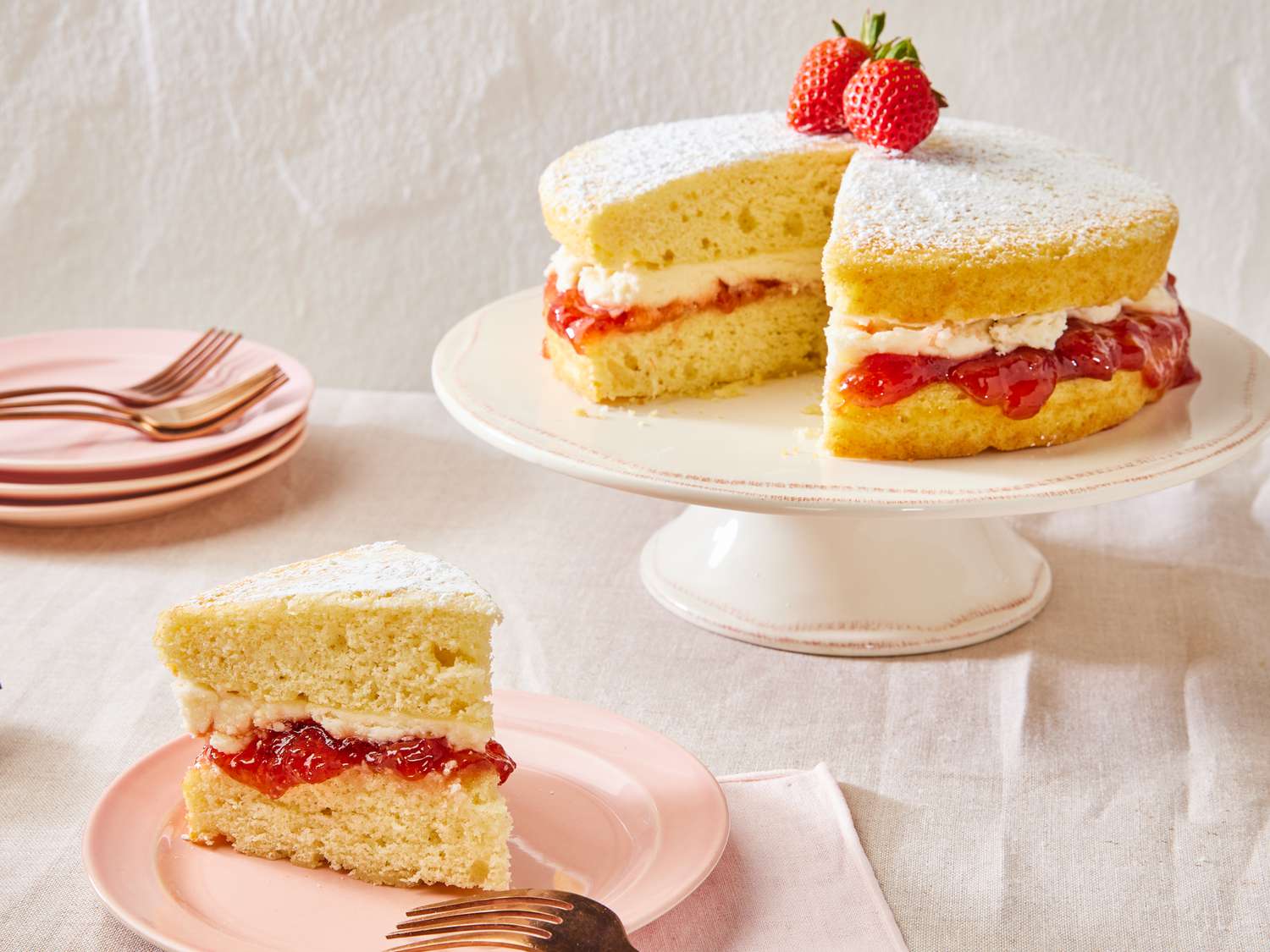
Baking a perfect cake isn’t about luck—it’s a balance of precision, technique, and understanding how ingredients behave. Whether you’re a beginner or someone who bakes occasionally, mastering a few key principles can transform your cakes from average to exceptional.
Below is a practical, no-nonsense guide to consistently baking cakes that are moist, fluffy, and beautifully structured.
Understanding the Role of Ingredients
Every ingredient in a cake serves a purpose. Changing even one can affect texture, flavor, and structure.
Key Ingredients and Their Functions
- Flour: Provides structure through gluten formation
- Sugar: Adds sweetness and helps retain moisture
- Eggs: Bind ingredients and add richness
- Butter or Oil: Contributes to tenderness and flavor
- Leavening Agents (baking powder/soda): Help the cake rise
- Liquid (milk, water, etc.): Activates dry ingredients and creates batter consistency
Tip: Always measure ingredients accurately. Baking is science—eyeballing leads to inconsistency.
The Importance of Room Temperature Ingredients
Cold ingredients don’t mix evenly. This can lead to dense or uneven cakes.
Why It Matters
- Butter creams better when soft
- Eggs blend smoothly into batter
- Even mixing = better texture
Best practice: Take ingredients out of the fridge 30–60 minutes before baking.
Mixing Techniques That Make or Break Your Cake
How you mix matters just as much as what you mix.
Common Methods
- Creaming Method
Beat butter and sugar until light and fluffy. This traps air, giving your cake a soft crumb. - Folding
Gently combine ingredients to avoid deflating air bubbles. - Avoid Overmixing
Overmixing develops too much gluten, making cakes tough instead of tender.
Golden rule: Mix until just combined unless the recipe says otherwise.
Getting the Oven Right
Many cakes fail because of improper oven use.
Key Oven Tips
- Preheat fully before placing the cake inside
- Avoid opening the oven door too early—it causes sinking
- Use the middle rack for even heat distribution
Pro Tip: Invest in an oven thermometer. Many ovens are inaccurate by 10–20°C.
Choosing the Right Bakeware
Your pan affects how heat distributes through the cake.
What to Consider
- Light-colored pans reflect heat and bake evenly
- Dark pans can overbrown edges
- Always grease and line pans to prevent sticking
Consistency matters: Use the same type of pan each time for predictable results.
Timing and Testing for Doneness
Relying only on time can lead to underbaked or dry cakes.
How to Check Properly
- Insert a toothpick into the center—it should come out clean or with a few crumbs
- Lightly press the top; it should spring back
- Edges should pull slightly away from the pan
Avoid overbaking, as it dries out even a well-made batter.
Cooling and Handling the Cake
Cooling is often overlooked but crucial.
Best Practices
- Let the cake cool in the pan for 10–15 minutes
- Transfer to a wire rack to cool completely
- Never frost a warm cake—it will melt the frosting
Proper cooling preserves structure and prevents breakage.
Small Details That Make a Big Difference
- Sift dry ingredients for a smoother batter
- Use high-quality ingredients, especially butter and vanilla
- Don’t substitute randomly unless you understand the chemistry
- Level your batter in the pan for even baking
These small habits separate average baking from consistently great results.
Conclusion
Perfect cakes are not about complicated recipes—they’re about discipline in technique. When you understand how ingredients interact, control your environment, and follow precise methods, success becomes repeatable.
Consistency is the real secret.
FAQs
1. Why does my cake turn out dense instead of fluffy?
This usually happens due to overmixing or using cold ingredients. Both affect how air is incorporated into the batter.
2. Can I substitute oil for butter in cakes?
Yes, but it changes texture. Oil makes cakes more moist, while butter adds flavor and structure.
3. How do I prevent my cake from sinking in the middle?
Avoid opening the oven door early, measure leavening agents correctly, and ensure the cake is fully baked before removing it.
4. Is it necessary to sift flour?
Not always, but it helps remove lumps and aerates the flour, leading to a lighter cake.
5. Why do my cakes stick to the pan?
This happens when pans are not properly greased or lined. Always prepare your pan before pouring batter.
6. Can I bake a cake without eggs?
Yes, but you’ll need substitutes like yogurt, mashed bananas, or commercial egg replacers. The texture may vary slightly.
7. What is the ideal temperature for baking most cakes?
Most cakes bake well at 170–180°C (338–356°F), but always follow your specific recipe for best results.